
10 Incredible Facts About Lions That Will Amaze You
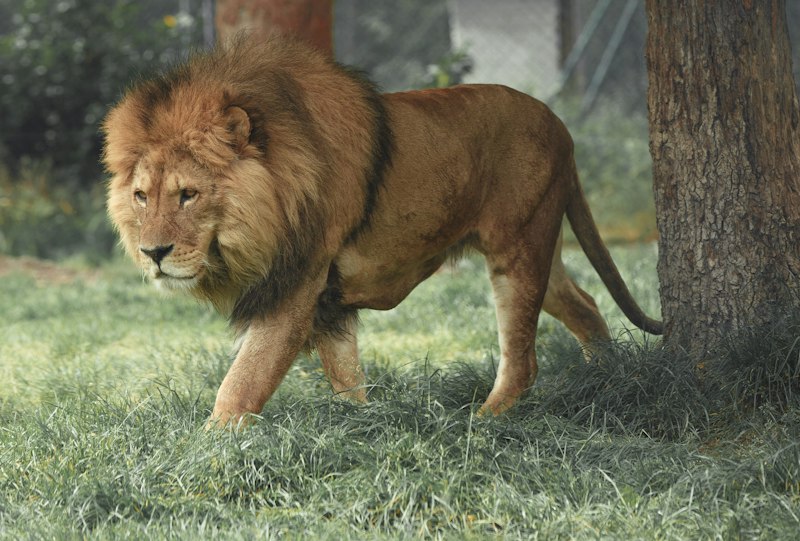
Lions are among the most iconic and majestic animals on Earth. Known as the "King of the Jungle" ??? though they actually live in savannas and grasslands ??? these magnificent big cats have captivated human imagination for millennia.
1. Lions Are the Most Social Big Cats
Unlike other big cats that are largely solitary, lions live in groups called prides. A pride can consist of up to 30 lions, including several adult females, their cubs, and a small number of adult males. This social structure is unique among the big cats and gives lions a distinct advantage in hunting and raising young.
2. Females Do Most of the Hunting
Contrary to the popular image of the majestic male lion as the dominant hunter, it is actually the lionesses who do the majority of hunting for the pride. Working as a coordinated team, they can take down prey much larger than themselves, including buffalo, wildebeest, and zebra.
3. A Lion's Roar Can Be Heard 8 Kilometers Away
The roar of a lion is one of the most powerful sounds in nature. Lions roar to communicate with pride members, warn rivals to stay away, and advertise their presence across the savanna. Their roars can reach up to 114 decibels and carry for an astonishing 8 kilometers (5 miles).
4. Lions Sleep Up to 20 Hours a Day
Lions are the ultimate power nappers. They can sleep or rest for up to 20 hours per day, conserving energy for their intensive hunts. Their peak activity occurs at dawn and dusk, making them crepuscular animals.
5. The Mane Signals Health and Dominance
A male lion's mane is more than just a striking feature ??? it is a signal of health, strength, and genetic fitness. Research shows that lionesses prefer males with darker, fuller manes, as these indicate higher testosterone levels and better overall health.
These magnificent creatures are a testament to the incredible diversity of life on Earth. However, lion populations have declined by over 40% in the past three generations due to habitat loss, human-wildlife conflict, and poaching.
0 Comments
Leave a Comment